
The Vampire as Cultural Mirror
A History of the Vampire in Popular CultureThis thread traces how vampire stories absorb changing anxieties about disease, sexuality, class, gender, and social difference.
increasing Bearing strength in each event
 decreasing
Bearing strength in each eventdecreasingDisease Explanation
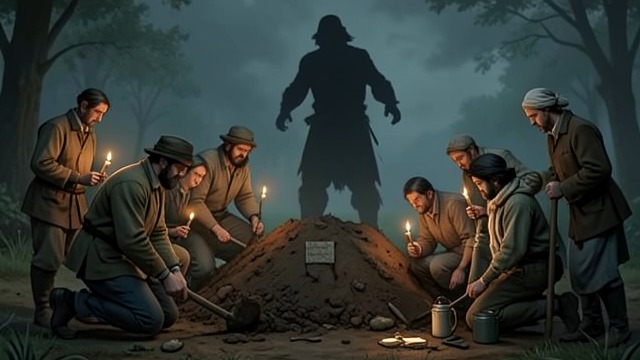
Disease Explanation
Unexplained Death
Tuberculosis and infant mortality create patterns that communities struggle to understand. The dead are imagined as returning because a supernatural culprit offers emotional order amid repeated loss.
Fear Made Manageable
Vampire accusations redirect helplessness toward identifiable bodies. Exhumation and ritual violence become attempts to regain control over illness.
Sexual Transgression
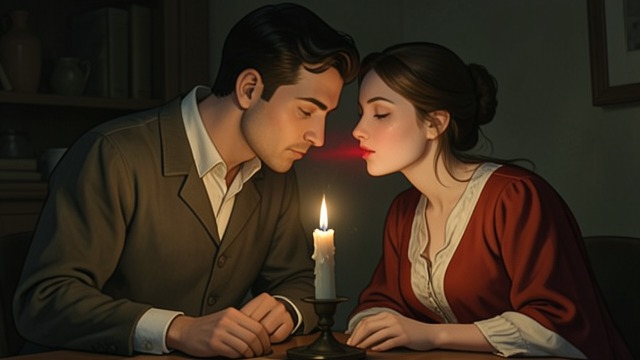
Sexual Transgression
Desire Under Constraint
Vampires permit writers and audiences to imagine sexuality that polite society condemns. Their victims can be both willing and coerced, creating a narrative alibi for forbidden desire.
Blood and Intimacy
The bite joins bodily danger to erotic surrender. The vampire’s appeal grows from the same vulnerability that makes the encounter frightening.
Gendered Punishment
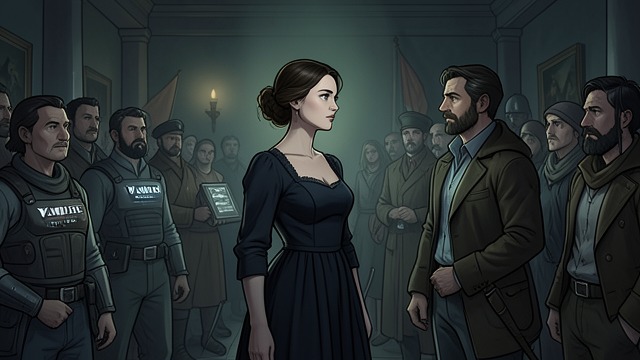
Gendered Punishment
Female Transgression
Women such as Lucy Westenra and Carmilla are punished or demonized when they display sexual agency. Their supernatural power becomes a way of dramatizing male anxiety about women’s independence.
Unequal Judgment
Male predators often receive tragic depth, while sexually confident women are treated as threats. The pattern exposes the moral double standard embedded in vampire fiction.
Outsider Allegory
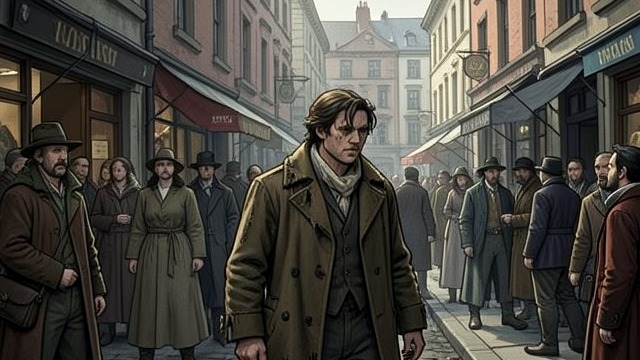
Outsider Allegory
The Neighbor Within
Vampires increasingly live beside humans, making difference social rather than merely supernatural. Their stories can address race, sexuality, migration, class, and the need to belong.
Negotiated Acceptance
Characters seek recognition without surrendering their identity. The vampire becomes a figure through whom popular culture tests the limits of tolerance.
Moral Reversal
Moral Reversal
Monsters With Conscience
Modern vampires may resist killing, feed ethically, or protect humans. Their predatory nature remains, but moral struggle becomes part of their appeal.
Humans Under Review
The book reverses the expected judgment by asking whether human violence is truly more acceptable. Vampire morality becomes a mirror held against ordinary consumption and power.
the eighteenth and nineteenth centuries
the nineteenth century
the Victorian era
the twentieth and twenty-first centuries
modern popular culture
